
Radon Eliminator provides Radon Mitigation in Grand River, OH. Licensed Ohio radon mitigation (RC202) in Grand River, OH. Call 216-480-9580 for a free consultation.
Last updated: June 2026
Why Grand River Homeowners Call Radon Eliminator First
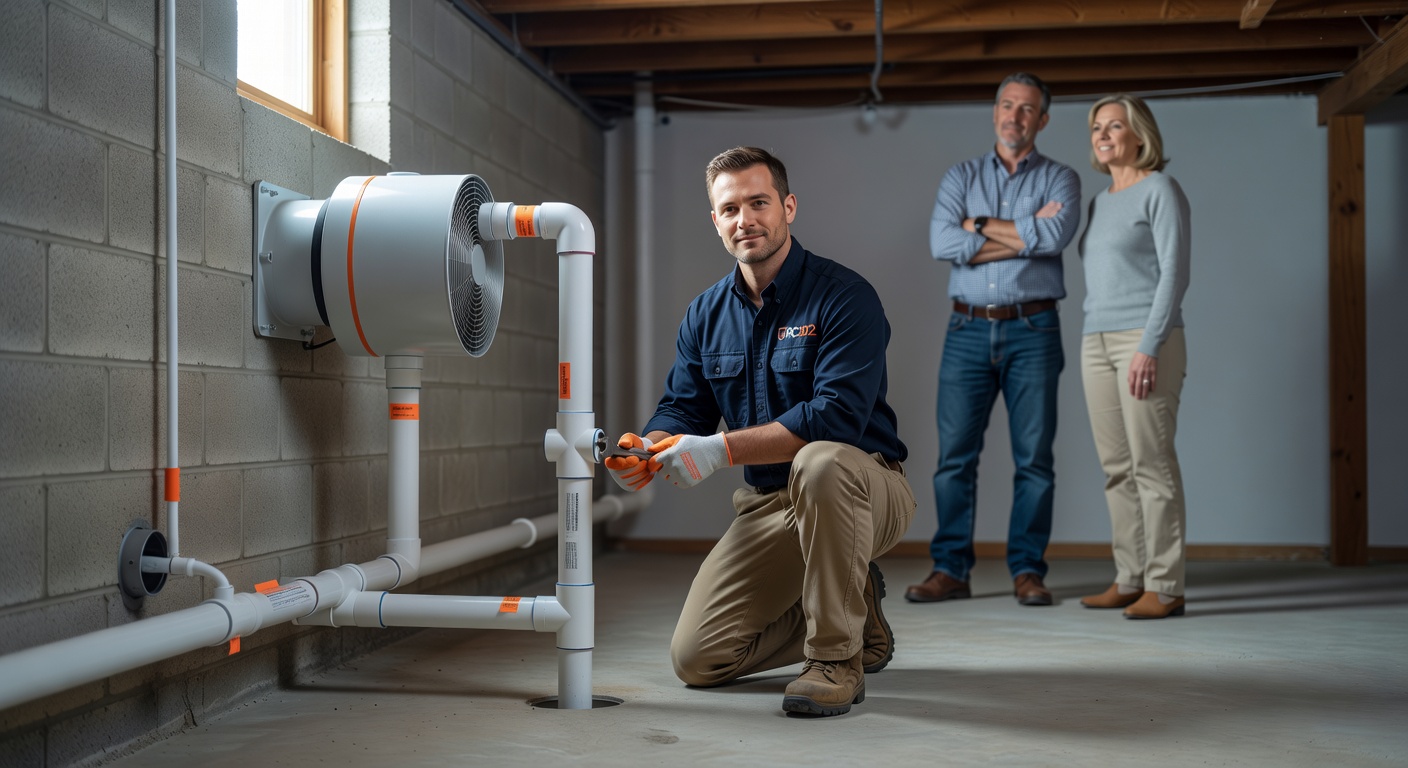 Photo by AI Generated (Grok Imagine)
Grand River sits in Lake County along the southern shore of Lake Erie — a region the Ohio Department of Health classifies as Zone 1, the highest radon potential zone in the EPA's national map. That means the average indoor radon level in homes here can exceed the 4.0 pCi/L EPA action threshold without a single visible sign. The glacial till soils that make Grand River, Fairport Harbor, Painesville, and Madison good places to build are the same soils that quietly leak radon gas into basements, crawl spaces, and slab-on-grade foundations.
Radon Mitigation Grand River OH is what we do every week — and we do it under Ohio Radon Mitigation License RC202, posted on every proposal and every permit. We don't subcontract. We don't sell you a fan and call it a system. We design, install, and verify a code-compliant active soil depressurization (ASD) system, then we re-test to confirm the number is under 4.0 pCi/L. In writing.
- Ohio License RC202 — stated upfront, not buried in fine print
- EPA-aligned protocols for testing, mitigation design, and post-mitigation verification
- Closing-Date Radon Service for real-estate transactions — we work to your deadline
- Multi-vertical experience — single-family, commercial, schools, multi-family apartments
- Documented results — written post-mitigation test results for your file, your lender, and your buyer
Radon Mitigation Services We Provide in Grand River
Most local radon shops only handle single-family homes. We're built differently. Radon Eliminator provides the full stack of testing, mitigation, and verification work across every property type in Grand River and Lake County.
Residential Radon Mitigation System Installation
The standard fix in Grand River homes is an active sub-slab depressurization system: a sealed suction point through the basement slab, PVC piping routed to a discharge above the roofline, and an inline radon fan sized to the soil conditions under your home. Older homes near Singer Park and along the Grand River with fieldstone foundations often need additional sealing and sometimes a sub-membrane system in crawl spaces. We design every system to the specific structure — not a one-size-fits-all kit.
Real-Estate Closing-Date Radon Service
Your inspection report came back at 6.8 pCi/L. You're supposed to close in 12 days. That's our specialty. We schedule the install around your closing date, pull the permit, install the system, run the 48-hour post-mitigation test, and deliver the written results to your agent and the buyer's agent before the contingency expires. We work directly with title companies, lenders, and the Lake County inspection desk so nothing stalls.
Commercial, School, and Apartment Radon Mitigation
Ohio law and Ohio Department of Health rules hold owners of multi-unit residential properties, schools, and many commercial buildings responsible for safe indoor radon levels. We design multi-point mitigation systems for apartment complexes near Hidden Harbor and Grand River Village, school buildings across the Riverside Local School District footprint, and commercial buildings throughout the Fairport Harbor and Painesville corridor. Scopes include phased testing across all ground-contact units, engineered system design, and ongoing performance monitoring.
Existing System Inspection and Upgrades
If your Grand River home already has a mitigation system but the radon level is still over 4.0 pCi/L — or the fan is loud, leaking, or 15 years old — we diagnose it. Common failures: undersized fans, unsealed sump lids, broken manometer columns, improper discharge location, and additional suction points needed after a basement remodel. We bring systems back into compliance and document it.
EPA-Aligned Radon Testing and Post-Mitigation Verification
Pre-mitigation testing uses continuous radon monitors placed per EPA protocol — lowest livable level, closed-house conditions, minimum 48-hour sampling. Post-mitigation verification is run no sooner than 24 hours and no later than 30 days after activation. Every result is delivered as a written report with the device serial number, calibration date, and test conditions — the documentation real-estate agents, lenders, and school boards actually need.
Our Radon Mitigation Process in Grand River, OH
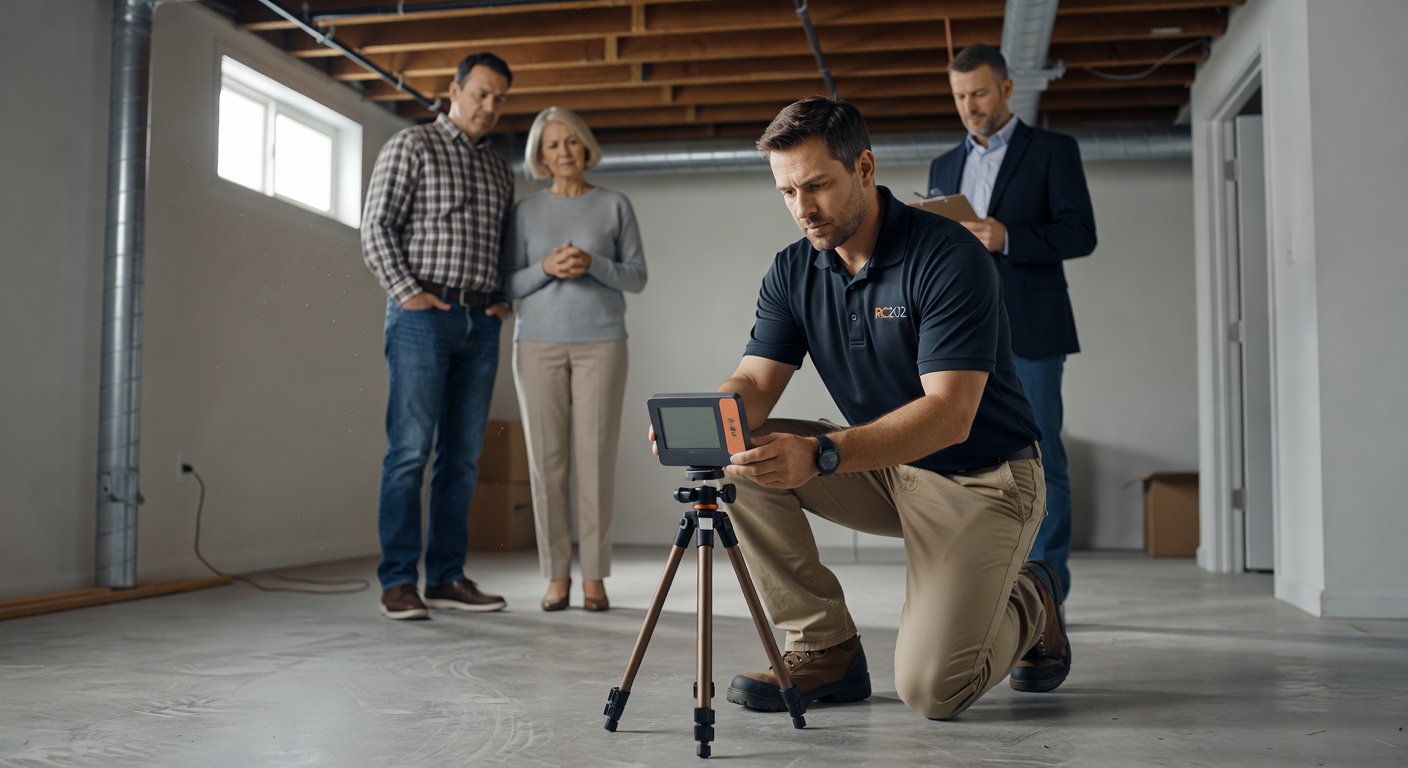 Photo by AI Generated (Grok Imagine)
The process is the same whether you're a homeowner on Singer Avenue, an agent at a closing, or a property manager with 40 ground-floor units. The discipline doesn't change.
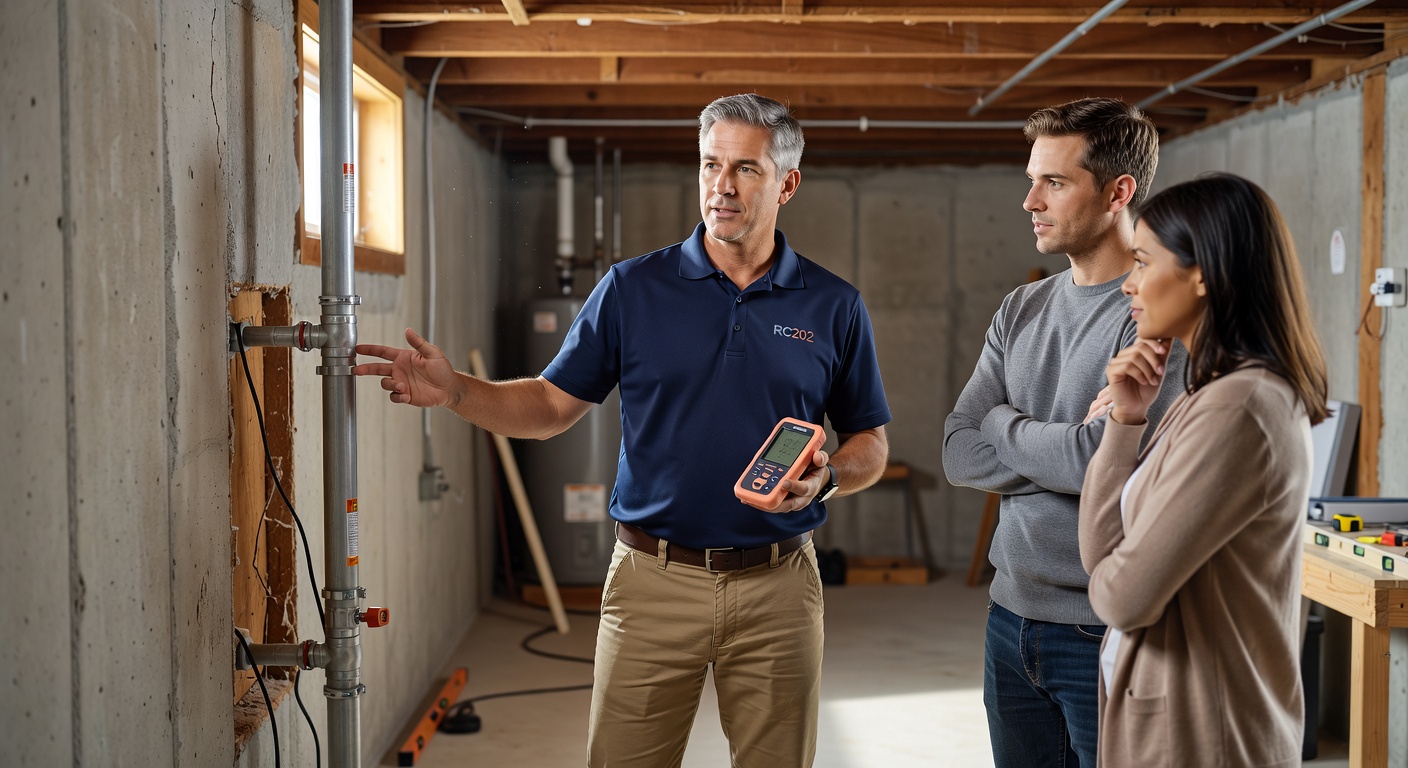
- Diagnostic Site Visit. We review your test result, inspect the foundation type, identify the slab condition, locate the sump and drain tile, and check the building envelope. This is where the system gets designed — not over the phone.
- Written Proposal With a Clear Price. You get a fixed price, not a range. The scope lists the suction point location, pipe routing, fan model, electrical work, and the post-mitigation test. The license number RC202 is on the proposal.
- Permit and Installation. Most Grand River residential installs are completed in a single day. Commercial and multi-family projects are phased. The install crew is W-2 employed, trained on EPA protocols, and accountable to our license.
- System Activation and Manometer Calibration. We verify suction pressure, confirm proper discharge height, and label the system per Ohio code.
- Post-Mitigation Test and Written Report. 48-hour continuous monitor test under closed-house conditions. You get the result in writing, in PDF, with our license number on it. If for any reason the level isn't under 4.0 pCi/L, we add capacity at no additional cost until it is.
Local Expertise: Grand River, Fairport Harbor, and Lake County
Grand River is small — under a square mile — but the housing stock is anything but uniform. Older homes near the river and the marina district often have stone or block foundations from the early 1900s, which create dozens of small radon entry points that have to be sealed alongside the active depressurization. Newer construction in the developments off Route 535 and toward Painesville Township typically has poured concrete slabs with passive radon stubs already roughed in — those convert to active systems quickly and cleanly.
We work daily across Lake County: Fairport Harbor, Painesville, Mentor, Madison, Perry, Concord Township, and Willoughby. We know which Lake County building department reviewers want the system schematic stamped, which want a simple permit, and how long inspection scheduling actually takes in the busy spring real-estate season. That local knowledge is the difference between a system that gets done before closing and a system that doesn't.
Ohio has one of the highest average indoor radon levels in the United States — roughly 43% of Ohio homes tested above 4.0 pCi/L, according to Ohio Department of Health data. Lake County's geology puts Grand River squarely in that elevated group. Treating radon as routine maintenance, not a one-time scare, is the correct posture for any homeowner here.
Pricing, Warranty, and What to Expect
Most single-family Radon Mitigation Grand River OH projects fall in the $1,250 to $2,200 range for a standard active sub-slab system on a poured-foundation home. Crawl spaces, multi-suction-point systems, fieldstone foundations, and combination sub-slab + sub-membrane installs run higher and are quoted after the diagnostic visit. Commercial, school, and multi-family pricing is scoped per building.
- System warranty: 5 years on workmanship, manufacturer warranty on the radon fan (typically 5 years)
- Result guarantee: Post-mitigation level under 4.0 pCi/L — or we add capacity at no charge
- Financing: Available on qualifying projects — ask during your consultation
- Home inspector partner program: Published referral terms for licensed Ohio home inspectors
Every proposal lists the price, the scope, the timeline, and our Ohio RC202 license number. If a competitor won't put those four things on paper, that's your answer.
Frequently Asked Questions About Radon Mitigation in Grand River
How much does radon mitigation cost in Grand River?
Most single-family homes in Grand River fall between $1,250 and $2,200 for a standard active sub-slab depressurization system. Pricing varies based on foundation type (poured, block, fieldstone, crawl space), the number of suction points required, pipe routing, and electrical work. Crawl spaces and multi-point systems run higher. We quote a fixed price after a diagnostic visit — never a vague range over the phone.
What is the best radon mitigation company in Grand River?
The right standard is simple: licensed in Ohio (look for RC202 or equivalent), EPA-aligned testing protocols, written post-mitigation verification, and a result guarantee under 4.0 pCi/L. Radon Eliminator meets all four and posts our license number on every proposal. Ask any company you call to do the same.
How do I choose a radon mitigation provider in Grand River?
Ask for the Ohio mitigation license number in writing. Ask whether they perform their own post-mitigation testing using calibrated continuous radon monitors. Ask whether the price is fixed or a range. Ask what happens if the system doesn't bring the level under 4.0 pCi/L. A professional contractor answers all four questions in one phone call.
What should I look for in radon mitigation services?
Code-compliant active soil depressurization (not a passive vent or a dehumidifier), proper discharge above the roofline and away from windows, a visible U-tube manometer to monitor system pressure, a labeled system per Ohio code, sealed sump lids and slab penetrations, and written post-mitigation test results. Anything less is a partial job.
How long does radon mitigation take?
Most Grand River single-family installs are completed in a single workday. Diagnostic visit, install, and activation typically happen within 5–10 business days of accepting the proposal — faster on real-estate closing-date jobs. Post-mitigation testing runs 48 hours after the system has been operating for at least 24 hours. Total timeline from first call to written verification: usually under two weeks.
Is radon mitigation worth the investment?
Radon is the second-leading cause of lung cancer in the United States according to the EPA and Surgeon General, responsible for an estimated 21,000 deaths per year. In a Zone 1 county like Lake County, treating elevated radon is not optional risk management — it's standard homeownership. A $1,500–$2,000 system that drops your home from 6.0 pCi/L to under 2.0 pCi/L is one of the highest-value health investments a homeowner can make, and it transfers cleanly at resale.
Get a Clear Quote for Radon Mitigation in Grand River, OH
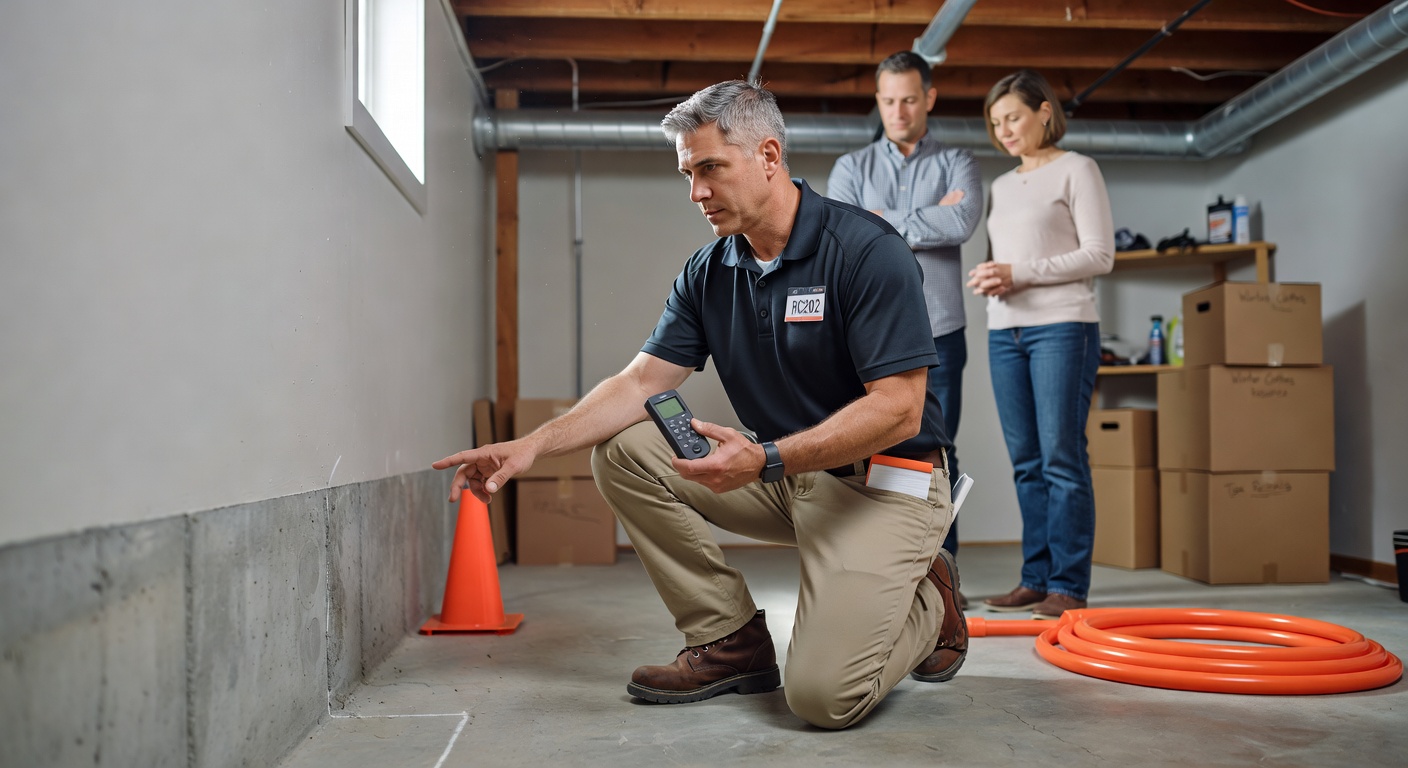 Photo by AI Generated (Grok Imagine)
Whether your inspection report just came back high, you manage a school or apartment building, or you're a Grand River home inspector looking for a reliable referral partner — call the licensed team. We'll give you a straight answer, a real timeline, and a fixed price. Our license number RC202 will be on every document we send you.
Call now to schedule your diagnostic visit, or request a written proposal through our online form. Closing-date jobs are scheduled first.
Find Radon Eliminator Near Grand River, OH
Frequently Asked Questions About Radon Mitigation in Grand River
How much does radon mitigation cost in Grand River?
What is the best radon mitigation company in Grand River?
How do I choose a radon mitigation provider in Grand River?
What should I look for in radon mitigation services?
How long does radon mitigation take?
Is radon mitigation worth the investment?
Talk to a Licensed Ohio Radon Pro (RC202) Today
Call now for a straight price, a real timeline, and a system designed to bring your Grand River home under 4.0 pCi/L — documented in writing. Closing-date jobs scheduled first.
Radon Eliminator Near Grand River
Visit our nearest location or call us at 216-480-9580 for service in Grand River.