Homeowners researching radon levels in Montgomery County should start with one fact: Montgomery County, Ohio sits in EPA Zone 1 on the official EPA Map of Radon Zones — meaning it falls in the Zone 1 — the EPA's highest radon-potential category (predicted average indoor screening level above 4 pCi/L). That doesn't mean every home in Dayton has a radon problem. It means the EPA's own guidance is to test every home here, because elevated radon has been measured in all three zones statewide, and roughly half of Ohio homes test above the federal action level.
What does EPA Zone 1 actually mean for Dayton?
The EPA's radon zone map is a resource-targeting tool for public-health agencies, not a home-by-home prediction. It groups Ohio's 88 counties by the predicted average indoor screening level drawn from historical testing data: 53 counties (including Montgomery) fall in Zone 1, and 35 fall in Zone 2 — Ohio has zero Zone 3 (low-potential) counties statewide. According to the Ohio Department of Health's Radon Data program, the statewide average indoor radon reading is 7.9 pCi/L, roughly double the U.S. national average, and an estimated 50% of Ohio homes test above the EPA's 4 pCi/L action level. Dayton and the surrounding Montgomery County communities include a large share of homes built before modern radon-resistant construction techniques became common, one reason testing matters here regardless of a home's age or neighborhood.
How the EPA built the zone map
The underlying methodology combined historical indoor radon measurements, geology, aerial radioactivity data, and soil permeability across each county — not just one factor. That's part of why the EPA is explicit that the map should "assist national, state, and local organizations to target their resources," and should be supplemented with actual testing rather than used to decide whether an individual home needs a test.
Zone rating vs. your actual home
A Zone 1 rating tells you about Montgomery County on average. Two houses on the same Dayton street can post very different readings depending on foundation type (full basement, crawl space, or slab-on-grade), soil compaction around the foundation, and how tightly the home is sealed. That variability is exactly why a county-wide zone number is a planning input, not a substitute for testing.
Should I test my Dayton home for radon?
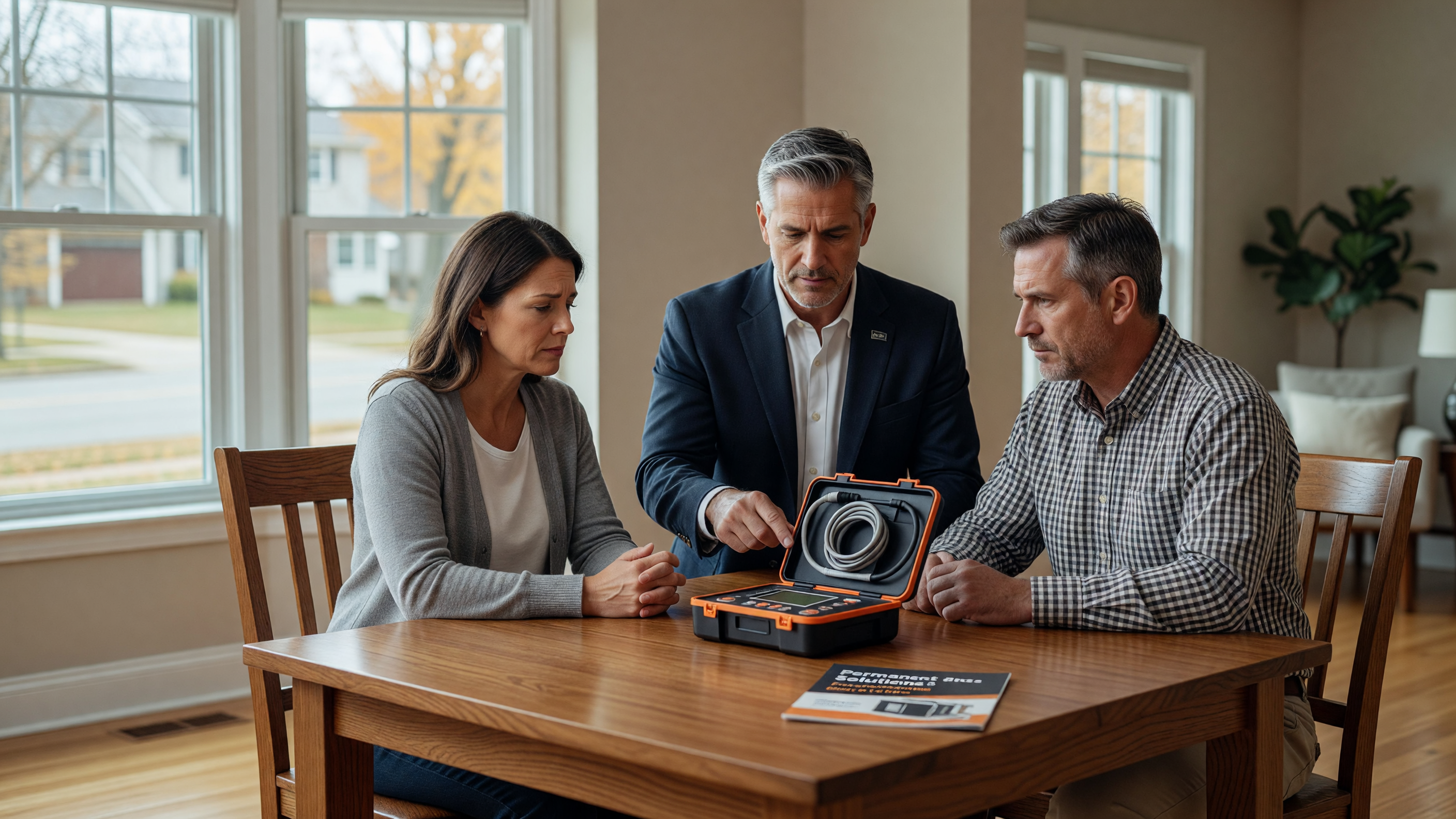
Yes. The EPA recommends testing every home regardless of zone designation, and that guidance applies directly in Montgomery County. Radon is a colorless, odorless, radioactive gas produced by the natural breakdown of uranium in soil and rock. It enters homes through foundation cracks, sump pits, and utility penetrations, and the only way to know your actual indoor level is to test — you cannot see, smell, or otherwise sense it.
There are two standard testing timeframes. A short-term test (2-7 days) gives a fast baseline reading, useful for a quick screen or a real estate deadline. A long-term test (90+ days) gives a more representative annual average, which matters because indoor radon levels shift meaningfully with the seasons — homes typically test higher in winter, when windows stay closed and heating creates the "stack effect" that draws more soil gas indoors.
What radon level requires action in Montgomery County?
The EPA's action level is 4 pCi/L. If a test comes back at or above that level, the EPA recommends installing a mitigation system — typically a sub-slab depressurization system that actively vents soil gas from beneath the foundation to the outdoors before it can enter the living space. Homes testing between 2 and 4 pCi/L can still benefit from mitigation, since no level of radon exposure is considered fully risk-free. The EPA and U.S. Surgeon General identify radon as the second leading cause of lung cancer in the United States after smoking, and the leading cause among non-smokers — a risk driver that applies at the household level, independent of county zone.
Radon testing and mitigation in Dayton
Radon Eliminator provides certified radon testing and mitigation system installation throughout Montgomery County, including Dayton and the surrounding communities. Call 216-480-9580 to schedule a test or ask about mitigation for a home you already know is elevated.
Testing process
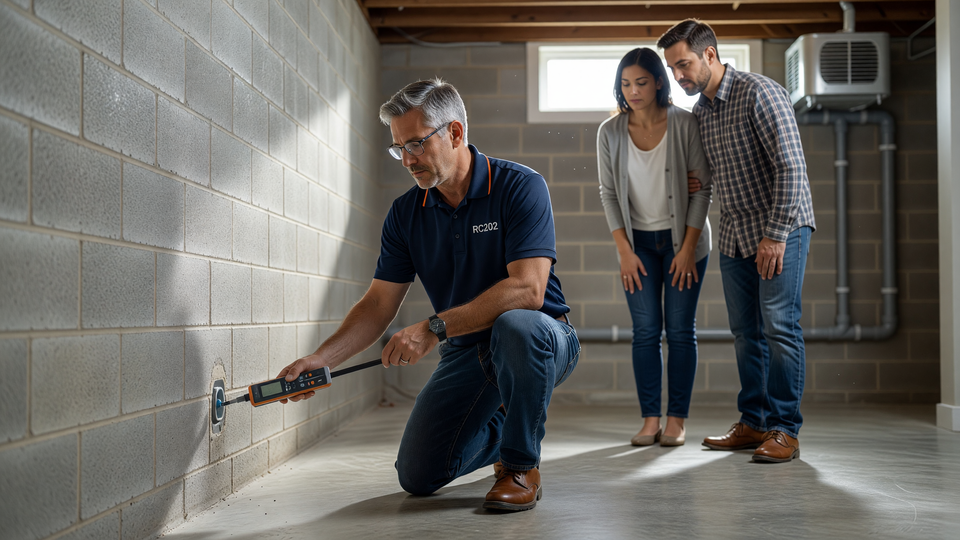
Our technicians install and calibrate continuous radon monitors for accurate short- and long-term readings, positioned per EPA protocol in the lowest livable level of the home. Results are documented for your records — useful both for peace of mind and for any real estate transaction where a buyer or lender requires a current radon test.
Mitigation system design
If your test comes back at or above 4 pCi/L, we design a mitigation system sized to your home's actual foundation — a full basement, a crawl space, or slab-on-grade construction, all of which are common across different pockets of Montgomery County. Most residential sub-slab depressurization systems are installed in a single day and immediately begin actively venting soil gas, with a follow-up test confirming the reading has dropped below the action level.
Radon and real estate transactions in Montgomery County
Radon testing comes up often during Ohio home sales. Buyers, sellers, and lenders in Montgomery County increasingly request a current test — sometimes a tamper-resistant, chain-of-custody test performed by a certified provider — before closing. Building a test (and, if needed, mitigation) into your transaction timeline early avoids last-minute delays.
Frequently Asked Questions
Is Montgomery County a high-radon area?
How much does radon testing cost in Dayton?
How long does radon mitigation take to install?
Does every home in Montgomery County have high radon?
What's the difference between a short-term and long-term radon test?
What affects radon mitigation cost in Montgomery County?
Radon mitigation cost in Montgomery County depends mainly on foundation type and how the soil gas needs to be routed out of the home. A straightforward sub-slab depressurization system on a poured-concrete basement is typically the fastest and most predictable install. Crawl-space homes sometimes need an additional vapor barrier as part of the system, and slab-on-grade homes in newer Dayton-area subdivisions may need the vent routed through a garage or exterior wall rather than up through a finished floor. Call 216-480-9580 for an exact quote on your home's foundation type.
Ongoing costs
A radon mitigation fan runs continuously and uses a modest amount of electricity — comparable to a small household appliance — and most systems include a simple pressure gauge homeowners can glance at to confirm the fan is still operating correctly, with no monthly service contract required for a properly installed system.
How Montgomery County compares to Ohio's statewide radon average
Ohio's statewide average indoor radon reading is 7.9 pCi/L — about double the EPA's 4 pCi/L action level and roughly double the national average. With Montgomery County rated EPA Zone 1, homeowners here should treat that statewide context as a reason to test, not a reason to assume every Dayton-area home is automatically elevated. The EPA's own guidance is unambiguous: test regardless of zone, because the only number that matters for your health is the one measured inside your own home.
Radon Eliminator also serves nearby Hamilton County (radon levels and testing in Cincinnati) and offers radon mitigation cost information for homeowners comparing options before scheduling a Montgomery County test.
How radon enters Dayton-area homes
Radon originates from the natural, ongoing breakdown of uranium in soil and rock beneath every Montgomery County property — it isn't a manufacturing byproduct or a pollution source, which is why even brand-new construction can have elevated readings. The gas moves through soil and finds the path of least resistance into a home: cracks in a poured foundation, gaps around a sump pump pit, unsealed utility penetrations, and even pores in concrete block walls in older Dayton-area basements. Once inside, radon becomes trapped and can build up to levels many times higher than the outdoor air, where it disperses harmlessly.
Well water as a secondary pathway
Most Montgomery County homes are on municipal water, where radon is not a significant concern. Homes on private wells can have an additional, smaller radon pathway through the water supply itself, released into indoor air during showering or running taps. If your Dayton-area property uses a private well, mention that when scheduling a test so we can advise whether water testing is worth adding alongside standard air testing.
Radon levels in Montgomery County and home value
Understanding radon levels in Montgomery County matters beyond day-to-day health — it increasingly factors into home value and marketability. A documented, current radon test (and a mitigation certificate if a system was installed) gives buyers, agents, and lenders confidence and can prevent a radon question from stalling a closing. Homeowners who test proactively, rather than waiting for a transaction deadline, typically have more flexibility to schedule mitigation on their own timeline rather than a compressed closing window.
What a mitigation certificate shows
After a Radon Eliminator system passes its post-installation test, you receive documentation showing the pre-mitigation reading, the system installed, and the post-mitigation reading confirming the home is below the EPA's 4 pCi/L action level — the same documentation most Dayton-area real estate transactions expect to see.
How often should Montgomery County homeowners retest?
The EPA generally recommends retesting every two years, and sooner after any change that affects how a home breathes: new windows, added insulation, a finished basement, or a new HVAC system. Radon levels in Montgomery County homes can also shift after structural changes like a new addition or foundation repair, since both can open or close pathways for soil gas. A homeowner who tested once years ago, especially in summer, may be working from an outdated picture of their home's actual radon exposure — retesting periodically is inexpensive insurance against that gap.
What to expect after mitigation is installed
A properly functioning mitigation system in a Montgomery County home should show a small but noticeable pressure differential on its gauge, confirming the fan is actively depressurizing beneath the slab. Most systems require no routine maintenance beyond an occasional visual check of the gauge; a persistent alarm or a reading that drifts back toward baseline over time is the signal to call for a system inspection.